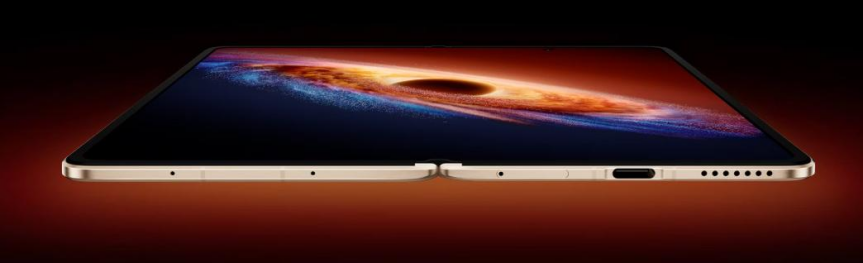
Factors That Affect the Lifespan of Foldable Smartphones
Foldable smartphones promise versatility, but their moving parts and flexible displays raise important questions about longevity. Buyers want to know how long these premium devices can realistically last before performance, hinges, or screens start to fail. Several hardware and usage factors work together to shape a foldable phone’s lifespan, from hinge engineering and display materials to battery health and daily handling habits. Understanding these elements helps users protect their investment, reduce the risk of damage, and maintain smooth performance throughout years of regular folding and unfolding.
Hardware Factors That Influence Foldable Smartphone Lifespan
Hinge Durability Affects Long-Term Performance
The hinge remains the most critical mechanical component in a foldable smartphone. Manufacturers' ratings hinge on hundreds of thousands of folds, but real-world durability depends on build quality, materials, and design tolerances. Metal alloys, precision gears, and well-tuned resistance reduce wobble and prevent misalignment over time. Poorly engineered hinges may loosen, creak, or deform, which strains the display and internal flex cables. Strong hinge construction, proper lubrication, and dust-resistant mechanisms directly influence how stable and solid the device feels after years of use.
Display Strength, Screen Protection, and Crease Resistance
Foldable screens use ultra-thin glass or plastic layers that bend along a central crease. These materials offer flexibility but remain more vulnerable than traditional rigid glass. Manufacturers add protective top layers, frame reinforcements, and optimized folding radii to reduce stress at the hinge line. Over time, repeated flexing can deepen creases or create micro-cracks if the design is weak. Built-in screen protectors, careful lamination, and stronger substrates help resist scratches, pressure marks, and pixel damage, directly affecting the display’s clarity, touch response, and usable lifespan.
Battery Health and Internal Component Reliability
Inside a foldable phone, compact batteries and flexible circuitry must endure constant movement and heat cycles. High-density batteries gradually lose capacity with each charge cycle, especially under heavy gaming, multitasking, or fast charging. Heat from processors and 5G radios accelerates this wear. Flexible circuit boards and ribbon cables that cross the hinge area face bending stress over time. Reliable component selection, efficient cooling, and smart power management help maintain battery health and protect chips, cameras, and connectors, ensuring the device remains stable and responsive for years.
Daily Usage and Environmental Factors That Impact Device Longevity
Folding Habits, Handling, and Physical Stress
User behavior strongly affects how long a foldable smartphone lasts. Snapping the device shut aggressively or forcing it open beyond its natural angle strains the hinge and display layers. Twisting the phone while half-open can misalign internal parts and cause hairline damage. Repeated drops or pocket pressure also adds stress at the fold line. Gentle folding, using two hands when possible, and avoiding sitting on or overstuffing pockets with the phone help prevent mechanical fatigue and accidental bending that might shorten the device’s lifespan.
Dust, Moisture, and Temperature Exposure
Dust and small particles can work their way into the hinge, grinding against moving parts and abrading protective layers. Some foldables include IP ratings and protective brushes, but grit can still cause long-term wear. Moisture from rain, sweat, or spills may seep through gaps, corroding connectors and shorting circuits. Extreme heat softens adhesives and accelerates battery degradation, while cold can make materials brittle. Keeping the device away from sand, steam, direct sun in cars, and sudden temperature changes protects delicate mechanisms and electronics.
Charging Practices and Performance Demands Over Time
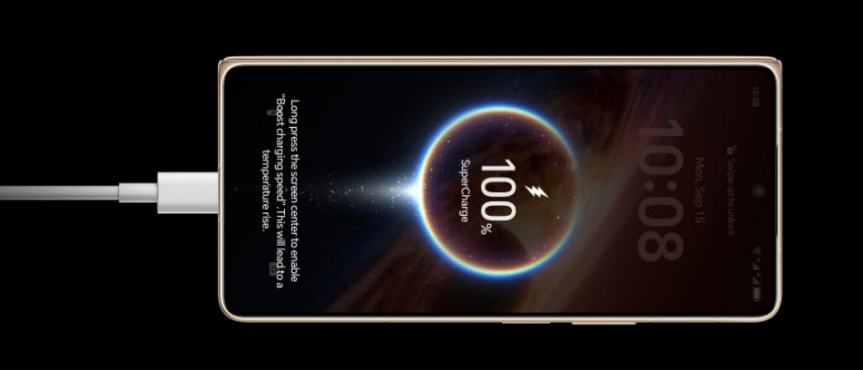
Charging habits shape battery longevity in foldable smartphones. Constantly using fast charging, running the phone until it hits zero, or keeping it at 100% for long periods stresses lithium cells. Heavy workloads, such as gaming, 4K video recording, and multitasking with split-screen apps, raise internal temperatures and tax processors. Over time, this can lead to throttling and reduced endurance between charges. Moderating charging speed, avoiding full discharges, and limiting heat during intensive tasks help preserve both battery capacity and overall performance stability.
How to Extend the Lifespan of a Foldable Smartphone?
Essential Maintenance and Care Tips
Simple maintenance steps can significantly extend a foldable phone’s life. Keep the device clean by gently wiping the screen and hinge area with a soft, lint-free cloth. Avoid pressing hard on the crease or using fingernails and sharp objects near the display. Do not peel off manufacturer-installed screen protectors unless a professional replaces them. Open and close the phone smoothly, without twisting. Store the device in a safe place rather than loose in bags with keys or coins, reducing scratch and impact risks.
Software Updates and System Optimization
Regular software updates do more than add features; they also improve stability, security, and hardware efficiency. Manufacturers refine hinge animations, multitasking behavior, and power management based on real-world feedback. Installing updates helps reduce crashes, overheating, and unnecessary battery drain. Users should periodically clear unused apps, remove bloat, and optimize storage to maintain smooth performance. Proper app settings, such as limiting background activity and disabling unused radios, lighten system load. Together, these actions support healthier components and a smoother experience throughout the device’s life.
Accessories and Protective Measures That Improve Durability
Thoughtful accessory choices can protect a foldable smartphone from daily hazards. A case designed specifically for devices such as HONOR Magic V6 offers edge protection without blocking the hinge or screen movement. High-quality, compatible screen protectors add a sacrificial layer against scratches and fingerprints. Some users add hinge covers that shield gaps from dust while preserving flexibility. A padded pouch or dedicated pocket in a bag prevents direct contact with hard objects. Using wireless earbuds instead of clamping the phone between the shoulder and ear also reduces accidental drops.
Conclusion
The lifespan of a foldable smartphone depends on a blend of engineering quality and everyday behavior. Durable hinges, resilient displays, and reliable internal components provide a strong foundation, but user habits ultimately decide how well these features hold up. Careful folding, wise charging, and protection from dust, moisture, and impacts all reduce wear. Pairing good hardware with proper maintenance, timely software updates, and practical accessories allows owners to enjoy flexible screens and advanced features longer, maximizing value and minimizing the need for early replacement.
}})
George Washington
Lorem ipsum dolor sit amet, consectetur adipisicing elit. Ducimus itaque, autem necessitatibus voluptate quod mollitia delectus aut, sunt placeat nam vero culpa sapiente consectetur similique, inventore eos fugit cupiditate numquam!