How Do Smartphones Support Global Travel Needs?
Travel involves constant decision-making. People plan routes, manage bookings, communicate across languages, and adapt to unfamiliar environments. Smartphones now handle these tasks in one place. They replace multiple tools and reduce uncertainty during every stage of a journey. Travelers no longer rely on fixed itineraries or local assistance alone. They access live information, make quick adjustments, and explore with confidence. This shift changes how people approach travel. It becomes more flexible, more responsive, and more personalized. Smartphones act as active travel companions, supporting both planning and real-time actions while helping users stay connected and informed across different regions. They also make independent travel easier for people who want more control over timing, movement, and day-to-day decisions abroad.
How Smartphones Streamline Travel Planning and Navigation?
Real-Time Navigation Transforms Movement
Smartphones provide accurate navigation through GPS-based systems. Travelers can see their exact location and receive directions instantly. This removes the need for printed maps or repeated inquiries. People move through cities with confidence, even in unfamiliar areas. Navigation tools also offer alternative routes based on traffic or transport conditions. This helps travelers save time and avoid delays. Instead of following a fixed plan, they adjust their routes as situations change. Real-time navigation turns travel into a dynamic process where decisions happen continuously rather than in advance. It also helps travelers compare walking, driving, rail, and public transport options without switching between separate sources of information.
Instant Booking Supports Flexible Itineraries
Travel plans often change due to weather, preferences, or unexpected opportunities. Smartphones allow users to book flights, accommodations, and activities at any moment. This flexibility reduces the need for strict planning before departure. Travelers can extend stays, change destinations, or reserve experiences while on the move. Access to updated availability and pricing helps them make informed choices. This approach encourages exploration. People feel more comfortable adjusting their plans because they know they can manage logistics quickly. Smartphones shift travel from rigid scheduling to adaptive planning. This makes short trips, business travel, and multi-city journeys much easier to organize without unnecessary stress.
Digital Documents Simplify Travel Processes
Smartphones store essential documents such as tickets, reservations, and identification copies. Travelers access these files quickly when needed. This reduces reliance on printed materials and lowers the risk of losing important information. Digital documents also speed up processes at airports, hotels, and attractions. Many services accept electronic formats, allowing smoother check-ins and verifications. Travelers benefit from having all necessary information in one place. This organization improves efficiency and reduces stress, especially during complex journeys that involve multiple locations and services. It also helps travelers keep confirmation details, emergency contacts, and booking records available whenever a sudden issue needs a quick response.
How Smartphones Enhance Cross-Border Travel Experiences?
Language Tools Enable Clear Communication
Language differences often create barriers during travel. Smartphones provide translation tools that help users understand and communicate in unfamiliar languages. Travelers can translate text, listen to spoken phrases, and respond in real time. This makes interactions with locals more comfortable and effective. People can ask for directions, order meals, or understand instructions without relying on gestures alone. Improved communication leads to better experiences. It allows travelers to engage more deeply with local culture and navigate daily situations with greater ease. This practical support builds confidence, especially when travelers move beyond major tourist areas and enter more local settings.
Mobile Payments Simplify Transactions Abroad
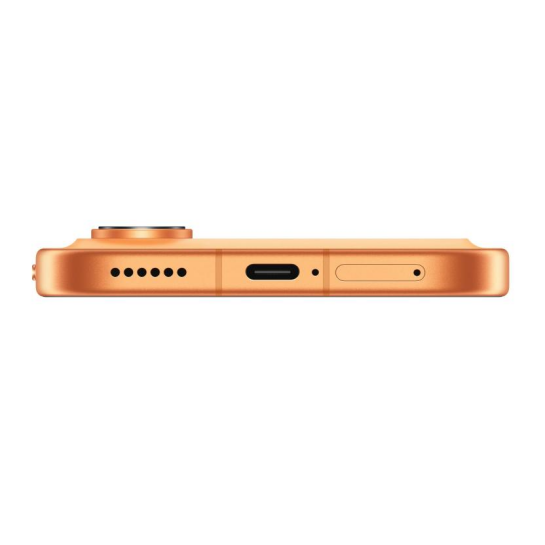
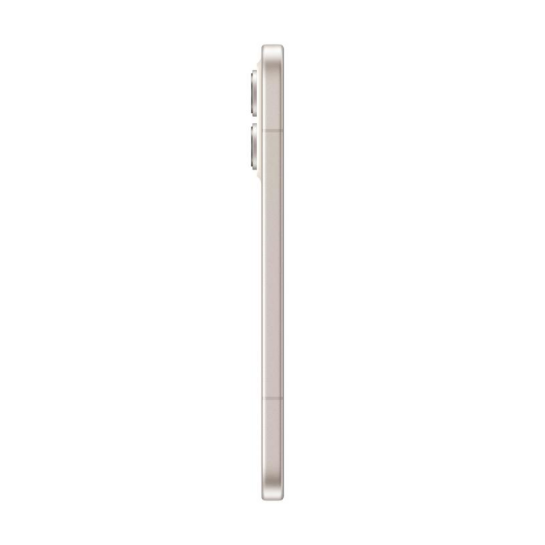
Handling different currencies can complicate travel. Smartphones support digital payment systems that reduce this complexity. Travelers can pay for transportation, meals, and shopping using mobile wallets or apps. This eliminates the need to carry large amounts of cash or constantly calculate exchange rates. Transactions become faster and more secure. Devices like the HONOR 600 5G phone support smooth payment experiences alongside other travel functions, helping users manage expenses efficiently while moving between countries. This convenience allows travelers to focus more on their experiences rather than financial logistics. It also makes small everyday purchases easier, whether someone is buying coffee, metro tickets, or museum entry.
Real-Time Updates Improve Decision-Making
Travel conditions can change quickly. Weather shifts, transport delays, and local events all affect plans. Smartphones provide real-time updates that help travelers respond immediately. They can check forecasts, monitor transport schedules, and discover nearby options. This information allows them to adjust plans without disruption. Instead of reacting late, travelers act proactively. They avoid unnecessary delays and make better use of their time. Real-time updates transform travel into a responsive experience where decisions are based on current conditions rather than assumptions. This helps travelers stay efficient, reduce confusion, and maintain a smoother rhythm throughout the trip.
Conclusion
Smartphones support global travel needs by combining essential tools into a single, accessible device. They simplify navigation, enable flexible booking, and organize important documents for easy access. At the same time, they enhance travel experiences through translation tools, digital payments, and real-time updates. These capabilities allow travelers to move with confidence and adapt to changing situations. Travel becomes less dependent on preparation and more focused on real-time decision-making. Smartphones redefine how people explore new environments, making journeys more efficient, connected, and responsive to individual needs. They do not just make travel more convenient. They also make it more independent, more informed, and far easier to manage from beginning to end.
}})
George Washington
Lorem ipsum dolor sit amet, consectetur adipisicing elit. Ducimus itaque, autem necessitatibus voluptate quod mollitia delectus aut, sunt placeat nam vero culpa sapiente consectetur similique, inventore eos fugit cupiditate numquam!