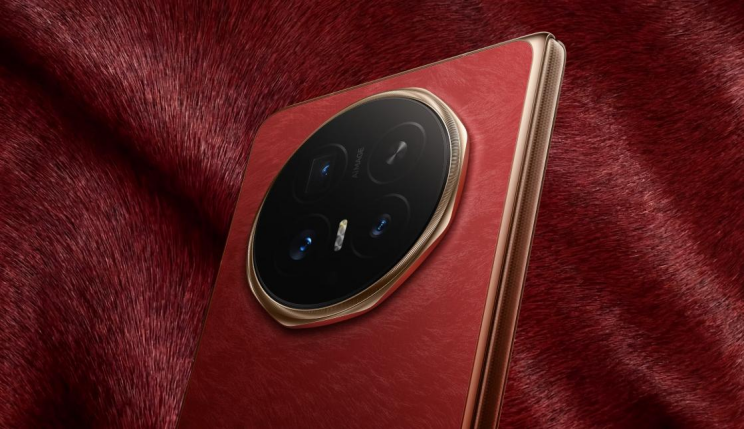
Smart Ways AI Enhances Smartphone Cameras
Smartphone cameras now rely on artificial intelligence to deliver sharper, brighter, and more accurate photos with almost no effort from the user. AI tools sit inside the camera app and work in real time to understand the scene, adjust settings, and refine details. This software layer often matters more than the size of the sensor itself. Brands use AI to reduce noise, balance exposure, and keep subjects in focus even when they move. As a result, everyday users can capture photos that look closer to professional shots, without manual controls or heavy editing after pressing the shutter button.
How AI Improves Photo Capture?
Scene Recognition for Better Camera Settings
AI-powered scene recognition scans what you point your camera at and classifies it in milliseconds. The system detects if you’re shooting food, landscapes, pets, text, or people and then applies optimized presets. For a blue sky and greenery, the camera boosts saturation and clarity. When it sees a face, it prioritizes skin tones and smooth exposure. For close‑up objects, AI can switch to macro mode or suggest it. This automation saves users from digging through menus or switching modes manually. Instead of guessing settings, the camera uses trained models and large image datasets to pick smart defaults for each scenario.
Automatic Exposure and Color Optimization
AI improves exposure by analyzing highlights, shadows, and midtones across the frame. It decides how bright the image should be, then preserves detail in skies and dark areas at the same time. Many phones now capture multiple frames at different exposures, then merge them with AI-guided HDR processing to avoid blown-out highlights. Color optimization also benefits from machine learning. The camera recognizes common subjects, like foliage or sunsets, and adjusts white balance and vibrancy so they look natural yet vivid. This approach helps avoid dull or washed-out results. Users tap the shutter once, and AI balances light and color automatically.
Smarter Focus and Subject Detection
Autofocus systems now use AI to detect and track subjects with impressive accuracy. The camera on HONOR Magic V6 can identify faces, eyes, pets, and moving objects, then lock focus on them as they shift in the frame. This reduces blurry photos, especially when kids or animals move quickly. Some phones support object segmentation, where AI separates the subject from the background in real time. The focus system knows exactly what to prioritize, even in busy scenes. During video recording, subject tracking keeps the main person sharp while they walk or turn. All this happens behind the scenes, letting users concentrate on capturing the moment.

Advanced AI Features in Smartphone Photography
Night Mode and Low-Light Enhancements
AI-driven night modes changed how smartphone cameras work in dim environments. Instead of a single noisy frame, the camera captures a series of images at different exposures, then aligns and merges them. AI analyzes each pixel to reduce noise, sharpen edges, and recover detail from shadows. It also corrects color casts from streetlights or indoor bulbs. This process allows users to shoot handheld in low light without flash, while still getting clear images. Scene detection helps here, too, as the phone recognizes dark conditions and suggests night mode automatically. The result is brighter, more detailed night photos that remain realistic.
Portrait Effects and Background Processing
Portrait modes rely on AI to separate the subject from the background and simulate shallow depth of field. The camera builds a depth map and uses segmentation models to identify hair, clothes, and edges. Then it blurs the background while keeping the subject crisp, similar to a DSLR with a fast lens. AI also refines skin tones and applies subtle smoothing to avoid harsh detail. Some phones offer adjustable blur strength and different lighting effects, such as studio or stage light. As the models improve, they handle tricky areas like glasses and fine hair better, producing more natural portrait photos.
AI-Powered Editing and Image Enhancement
AI continues working after you take the photo, making editing easier and faster. Many gallery apps suggest automatic enhancements, such as straightening horizons, cropping, or improving contrast. One-tap tools can clean up noise, sharpen details, and balance colors based on learned preferences. Advanced features include object removal, sky replacement, and AI-based upscaling to improve low-resolution shots. Some systems analyze your photo library and recommend the best images, grouping similar shots and picking top candidates. Users who do not understand complex editing tools still get polished results. AI lowers the barrier, turning casual snapshots into shareable images with minimal effort.
Conclusion
AI now shapes almost every part of smartphone photography, from pressing the shutter to sharing the final image. Scene recognition, smarter focus, and automatic exposure transform how people capture everyday moments. Night mode, portrait effects, and AI editing then push results closer to what dedicated cameras can deliver. Users get sharp, bright, and balanced photos without manual settings or long editing sessions. As hardware improves, AI models will gain more data and processing power, enabling even better low-light performance and more creative tools. Smartphone cameras will continue to evolve, driven less by lenses and more by intelligent software.
}})
George Washington
Lorem ipsum dolor sit amet, consectetur adipisicing elit. Ducimus itaque, autem necessitatibus voluptate quod mollitia delectus aut, sunt placeat nam vero culpa sapiente consectetur similique, inventore eos fugit cupiditate numquam!