What Makes Smartphone Cameras Competitive Today?
Smartphone cameras have moved far beyond simple image capture. They now compete with dedicated cameras in many everyday scenarios. Users expect sharp images, accurate colors, and reliable performance across different lighting conditions. At the same time, devices must deliver these results instantly, without requiring technical adjustments. This shift has pushed manufacturers to combine advanced hardware with intelligent software. Camera systems now rely on sensors, stabilization, and computational photography working together. The result is a more accessible and consistent shooting experience. Understanding what drives this competitiveness reveals how smartphones continue to redefine modern photography.
How Hardware Innovation Shapes Camera Competitiveness?
Sensor Size and Resolution Define Image Potential
The sensor remains the foundation of image quality. A larger sensor captures more light, which improves clarity and detail. High resolution adds another layer of capability. It allows users to crop images without losing sharpness. Together, these factors expand creative flexibility. Photographers can shoot wide scenes or focus on small details with confidence. A well-balanced sensor also performs better in challenging conditions, such as low light or high contrast environments. This combination of size and resolution gives smartphones a strong base for image capture. It ensures that the raw data entering the system already meets a high standard.
Stabilization Systems Improve Real-World Results
Sharp images depend not only on the sensor but also on stability. Even slight hand movement can affect clarity. Optical image stabilization works at the hardware level to reduce motion. Electronic stabilization complements this by refining the final output. When both systems operate together, they create a more reliable shooting experience. Users can capture clear photos without using a tripod. This becomes especially important in night photography or dynamic scenes. Stability allows the camera to preserve detail and reduce blur. Over time, this consistency builds trust in the device’s ability to deliver usable results in real situations.
Multi-Camera Setups Expand Creative Range
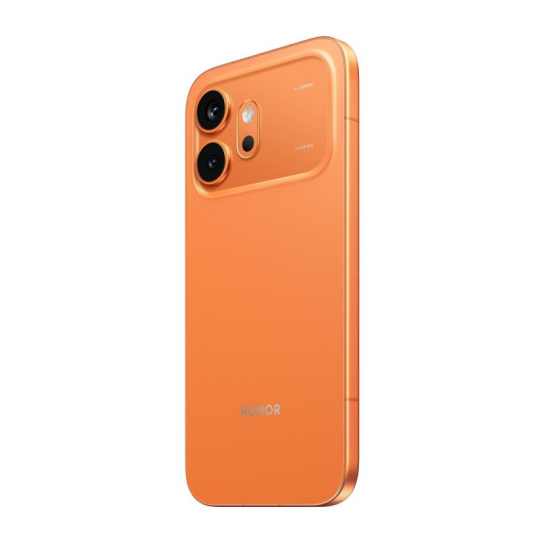
Modern smartphones often include multiple lenses. Each lens serves a specific purpose. A wide-angle camera captures expansive scenes. A primary camera focuses on detail and clarity. Additional sensors support color accuracy and depth perception. This setup allows users to adapt to different shooting conditions without changing devices. Switching between perspectives becomes seamless. Photographers can move from landscapes to portraits with minimal effort. This flexibility enhances the overall experience. It also ensures that the device remains useful across a wide range of scenarios, from travel photography to everyday documentation.
How Computational Photography Elevates Everyday Imaging?
AI Processing Enhances Detail and Clarity
Hardware alone cannot achieve the results users expect today. Software plays an equally important role. Artificial intelligence analyzes scenes and adjusts settings automatically. It improves sharpness, balances exposure, and refines textures. Advanced processing models can even reconstruct details that might otherwise be lost. This creates images that look more polished without requiring manual editing. Devices like the HONOR 600 demonstrate how AI-driven photography can enhance clarity while maintaining natural results. By combining sensor data with intelligent processing, smartphones deliver images that meet both technical and aesthetic expectations.
Color Science Creates Consistent Visual Identity
Accurate color reproduction remains a key factor in photography. Smartphones now use dedicated sensors and algorithms to manage color temperature. This ensures that images look natural under different lighting conditions. Whether shooting indoors or outdoors, the system adjusts to maintain consistency. Color science also contributes to a recognizable visual style. Users often prefer images that feel balanced and true to life. Consistent color output reduces the need for post-processing. It allows users to share photos directly after capture. This immediacy aligns with how people use cameras in daily life.
Computational Features Redefine Creative Control
Modern smartphones offer tools that extend beyond traditional photography. Features such as scene recognition and style replication allow users to experiment with different looks. With a single action, users can apply a specific color grading or visual tone. This simplifies the creative process. It removes the need for complex editing software. At the same time, advanced algorithms improve telephoto performance. They enhance distant details and maintain texture clarity. These capabilities make smartphones more versatile. Users can achieve professional-looking results without specialized equipment or technical knowledge.
Conclusion
Smartphone cameras remain competitive because they combine advanced hardware with intelligent software. Large sensors, high resolution, and effective stabilization create a strong technical foundation. At the same time, computational photography enhances detail, color accuracy, and creative flexibility. This integration allows users to capture high-quality images in a wide range of conditions. Modern smartphones do not rely on a single feature. They succeed by balancing multiple elements into a cohesive system. As a result, they continue to meet evolving user expectations and redefine what everyday photography can achieve.
}})
George Washington
Lorem ipsum dolor sit amet, consectetur adipisicing elit. Ducimus itaque, autem necessitatibus voluptate quod mollitia delectus aut, sunt placeat nam vero culpa sapiente consectetur similique, inventore eos fugit cupiditate numquam!